Recommended starting point:
👉 Healing After Betrayal: Understanding Cheater Psychology, Betrayal Trauma & Reclaiming Yourself.
how to heal after a breakup:
Let’s be real—there’s no shortcut to healing.
But there is a difference between letting time pass… and using intentional time to truly process, feel, and rebuild.
That’s the key. Intentional time.
I heard that in a podcast once, and it hit me so hard. You don’t heal just by waiting. You heal by sitting in it. By walking through the fire — not around it.
This is my story of what I did after heartbreak shattered everything I thought I knew about myself, my future, and love.
“Time doesn’t heal. Intentional time does.”
If you’re struggling to make sense of your reactions after heartbreak, the nervous system plays a huge role — learn more in our trauma-informed guide to nervous system regulation after trauma.
Step One: Hit Rock Bottom (and Then Decide to Rise)
A few weeks after the breakup, I was in a dark place. I didn’t recognise myself. My world felt like it had fallen apart. One morning, I just knew, I had to do something different.
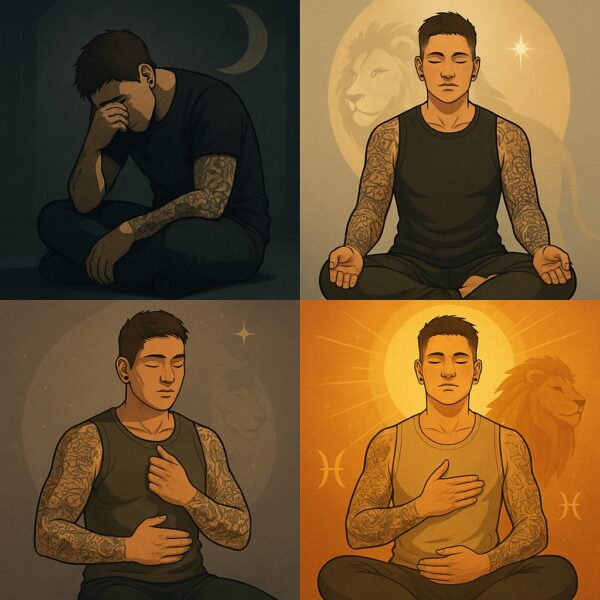
So I started small:
- I made myself a cup of tea.
- I sat outside in nature.
- I brought my journal.
- I breathed. I meditated.
And then… I felt.
Really felt. For the first time in a long time, I let it all come up. I cried so hard it felt like my face was a waterfall. My body held grief in every corner.
All the trauma I had avoided, especially from my years as a police officer, surfaced. I didn’t run from it. I sat in it. I journaled. I screamed. I let my body move. I gave myself permission to unravel.
Step Two: Take Radical Responsibility
This part isn’t easy to say, but it’s the truth.
I realised I had played a role in creating that relationship. And if I created it, I could create something new.
That moment? That was me taking my power back.
I wasn’t going to blame anyone else anymore. I wasn’t going to wait for someone to rescue me. I was the one I’d been waiting for.
Step Three: Somatic Healing and Inner Work
I went to a holistic healer, someone real, not someone spiritually bypassing their own pain while trying to heal others. She held space for me to reconnect to my body.
Through her, I learned about:
- Somatic therapy: Finding where pain sits in the body, naming it, breathing into it, allowing it to expand and release.
- Inner child work: Sitting with childhood wounds and patterns, and loving the parts of me I used to avoid.
- Shadow work: Letting the unconscious become conscious. Owning the messy parts, the hidden parts — and choosing compassion instead of shame.
Every time I allowed myself to feel, I became lighter.
Step Four: Accept That This Takes Time
This wasn’t a one-and-done healing moment.
It wasn’t a single crying session that fixed it all. It was weeks. Months. Ongoing.
And still, triggers come up. And when they do, I let them.
I’ve cried.
I’ve screamed.
I’ve questioned everything.
I’ve felt anxiety, depression, hopelessness.
But slowly, I began to feel something else: myself. I started to return to me.
Step Five: Be Wary of Spiritual Bypassing
This might ruffle some feathers, but it needs to be said:
Not everyone calling themselves a healer or coach is walking the path themselves.
A retreat won’t fix this.
One yoga class won’t fix this.
One journal prompt won’t fix this.
You have to sit in it. You have to walk it. And be very careful who you let hold space for you — because unhealed people will transfer their wounds onto you.
Find someone who’s been through it. Who’s done the work. Who doesn’t pretend healing is linear or pretty.
Breakups don’t just end relationships — they fracture your sense of self. You might like this guide on rebuilding identity after emotional collapse for deeper insight.
Step Six: Avoid Distraction and Quick Fixes
I didn’t drink.
I didn’t distract myself with casual dating.
I didn’t search for someone to fill the void.
I sat with the discomfort.
It’s so tempting to seek validation or comfort outside of yourself — to numb it, ignore it, or bury it. But buried wounds don’t disappear. They just wait. And they always surface later.
Step Seven: Reclaim Your Wholeness
If you’re wondering, “How can I just make this pain stop?” — here’s the truth:
You can’t.
Not right away.
But you can learn to hold yourself through it.
You can cry, breathe, journal, scream, sit, run, be still. You can ask yourself:
- Where do I feel this grief in my body?
- What story am I carrying?
- Who am I outside of this relationship?
You are not broken. You are not unlovable. You are becoming.
Final Truth: You Are Not Alone
It doesn’t matter what your ex is doing.
It doesn’t matter if they’ve “moved on.” That’s their journey.
What matters is you.
What you’re doing. How you’re showing up. How you’re choosing to heal.
You’re not healing alone. You’re healing with a quiet, powerful army of people who’ve decided that their wholeness matters.
This work isn’t easy — but it’s so, so worth it.
If You’re Going Through This Right Now:
Here are some gentle ways to begin:
- Start each morning with a ritual: tea, breathwork, nature.
- Journal what you’re feeling without judgment.
- Move your body — walk, stretch, cry on the floor if needed.
- Say this to yourself daily: “I am allowed to feel. I am safe to feel. I am healing.”
- Avoid people who shame you for not “getting over it.”
- Seek guidance only from those walking the path, not preaching it.
💛 If this resonates with you, I’ve created a free emotional recovery guide that helps you understand shock, nervous system responses, and how to begin again.
👉 Download the Emotional Recovery Starter Guide