
Recommended starting point: Nervous System Regulation: A Trauma-Informed Guide to Healing When Your Whole Life Falls Apart
Why healing from trauma Feels Incomplete (Even When You’re Trying Everything)
There was a point where I realised something wasn’t adding up. Healing from trauma quickly became my full time job.
I was doing what you’re “supposed” to do.
Living healthy. Staying active. Eating well. Pushing through.
Trying to be strong.
And still… something felt off.
I thought if I just kept going, if I just stayed disciplined enough, it would pass.
That eventually I’d feel like myself again.
But I didn’t.
And that’s the part no one really talks about.
Why trauma healing doesn’t always work (even when you’re trying)
There’s this quiet belief a lot of us carry:
If I go to therapy… if I give it time… if I “do the work”… I’ll be okay.
And therapy does help. Time does help. Awareness helps.
But for me, it wasn’t enough on its own.
That’s where the frustration comes in.
Because when you’re trying… and nothing feels like it’s fully shifting…
you start questioning yourself.
- Why am I still like this?
- Why does this still feel so hard?
- What am I missing?
If you feel like nothing is working… this might be why
This is what I wish someone had explained to me earlier.
It might not be that you’re doing it wrong.
It might be that you’re only looking at one piece of it.
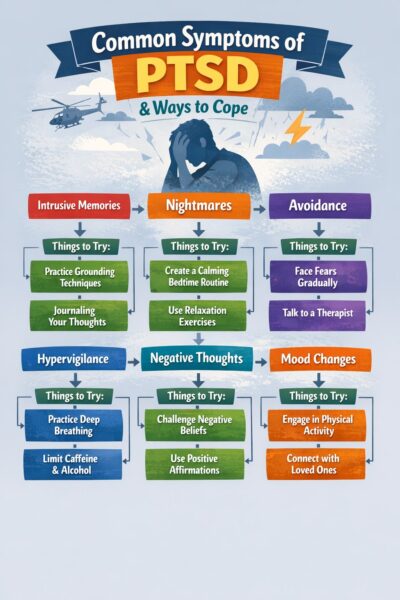
- You’re treating it as mental only
- Your nervous system is still dysregulated
- Your body is still holding tension and stress
- You haven’t found the combination that works for you yet
- You’re expecting healing to be linear
That last one is a big one.
Because healing doesn’t look like progress every day.
Sometimes it looks like:
- feeling great → then crashing
- thinking you’ve moved forward → then feeling back at the start
But you’re not back at the start.
You’re just seeing another layer.
Why trauma healing isn’t just mental
The shift for me didn’t come from doing more.
It came from understanding more.
That PTSD wasn’t just something in my mind,
it was something happening in my nervous system.
That changed everything.
Because it meant:
I wasn’t broken.
I was dysregulated.
Trauma wasn’t just something I remembered.
It was something my body was still holding onto.
This is something Bessel van der Kolk speaks about,
that trauma lives in the body, not just the mind.
And once I started looking at it that way, things began to make more sense.
How trauma shows up in the body (my experience)
Something I started noticing, and still deal with, is how connected everything is.
When my anxiety flares up, my neck goes.
I get intense pain. I can’t move properly. Everything tightens.
And then that pain triggers something else,
my mood drops, I feel stuck, heavy, low.
And it becomes a loop.
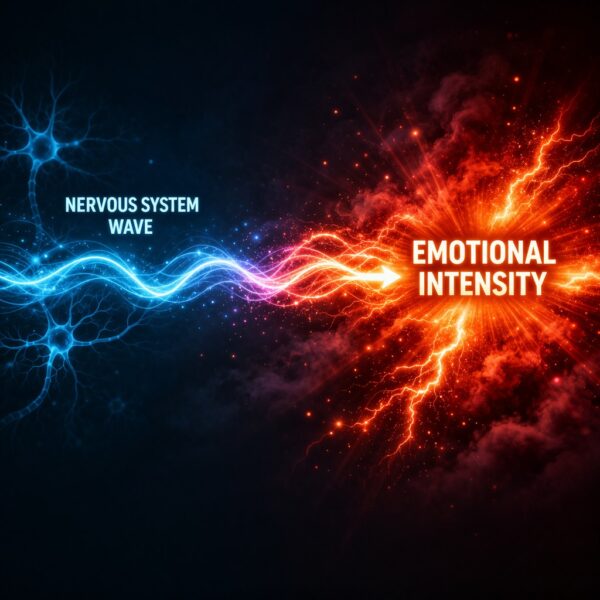
Anxiety → tension → pain → depression → more anxiety
I’ve had a disc bulge in my neck from a car accident.
And over time, with stress and anxiety, it’s gotten worse.
Something my psychologist said to me, just in passing,
was that a lot of his clients with PTSD also have physical injuries, especially in the back or neck.
That stuck with me.
Because it made me realise this isn’t just emotional.
It’s physical. It’s stored. It’s carried.
Why one thing doesn’t fix trauma
This is where I think a lot of people get stuck.
We try one thing, maybe two, and expect it to fix everything.
But what I found was:
It was never one thing.
It was a combination.
What trauma healing actually requires (the missing pieces)
This is how I understand it now:
Healing isn’t one path. It’s layers.
- Mind → therapy, awareness, understanding
- Nervous system → regulation, safety, grounding
- Body → movement, tension release, physical care
- Lifestyle → sleep, nutrition, energy management
- Support → guidance, environment, safe people
If one of these is missing, things can feel incomplete.
👉 If you feel like you’ve tried everything and nothing is working… start here:
Download the Emotional Recovery Starter Guide
What helped me (and what didn’t fully)
Therapy (talk therapy + exposure)
Helped me understand my patterns.
Gave me tools.
But didn’t fully regulate my body.
EMDR
I was sceptical at first.
But it significantly reduced my flashbacks and nightmares.
It brought things down to a level where I could actually work with them.
Sleep (this changed everything)
Nothing shifted until I got my sleep under control.
- Heavy medications → knocked me out but left me foggy
- Blood pressure medication → worked briefly, then side effects
What helped me most:
- compounded melatonin
- THC/CBD (at night only)
Not perfect. But better.
Movement + grounding
Yoga. Being outside. Slowing down.
This helped more than I expected.
Nutrition + depletion (turning point)
I got a full blood test and realised I was completely depleted.
Vitamin D shot. Supplements. Rebuilding from the inside.
Something I was told:
When your nervous system is constantly activated, your body burns through everything.
That made sense. And isn’t really talked about.
What most trauma advice gets wrong
Most advice focuses on:
- mindset
- talking
- awareness
But misses:
the body
the nervous system
the physical load
It’s too simplified.
Too “just do this”.
Healing doesn’t work like that.
What this means for you
If you’re reading this and thinking:
“I’ve tried everything and nothing is working”
I want you to hear this clearly:
- You’re not failing at healing
- You’re not doing it wrong
- You might just be missing pieces
You’re not meant to be fixed by one thing.
Your system needs support, across multiple levels.
Recommended further reading: 7 Signs Your Nervous System Is Dysregulated (And How to Regulate It) And PTSD in the Body: How Trauma Impacts the Nervous System, Chronic Pain, and Healing
What I would do differently if I started again
- Focus on my nervous system earlier
- Prioritise sleep sooner
- Stop trying to push through everything
- Listen to my body instead of overriding it
- Be more open to different approaches
The biggest shift: I stopped fighting myself
For a long time, I thought:
I’m not strong enough
I should be handling this better
But that wasn’t true.
I had experienced real trauma.
And my body responded accordingly.
When I understood that, I started giving myself something I hadn’t before:
empathy
“Your body is part of your healing — not separate from it.” -Sy
The part no one tells you about healing
Healing is:
- slow
- non-linear
- frustrating
- full of setbacks
You can feel amazing one week
and completely overwhelmed the next.
That doesn’t mean nothing is working.
It means:
your system is adjusting
your body is processing
you’re moving through layers
The system doesn’t always support this
Something I became very aware of:
Anything outside “standard treatment”
wasn’t covered.
- supplements
- alternative therapies
- certain sleep supports
All out of pocket.
And it made me realise:
the system still sees trauma as mental
when it’s actually whole-body
The reframe that changed everything
I was never broken.
I was dysregulated.
I was carrying more than my system could process.
And healing wasn’t about fixing myself.
It was about learning how to support myself properly.
FAQ:
Why does trauma healing feel incomplete?
Because trauma affects the nervous system and body, not just thoughts. Mental work alone isn’t always enough.
Why didn’t therapy fully work for me?
Therapy helps awareness, but trauma often requires physical and nervous system regulation as well.
Can trauma cause physical pain?
Yes. Trauma can create tension, inflammation, and nervous system dysregulation, which can show up as pain.
What actually helps trauma healing?
A combination of therapy, nervous system regulation, sleep, physical care, and emotional processing.
Recommended products for nervous system support
Healing is rarely just one thing. Sometimes the smallest practical supports can make daily life feel a little more manageable — especially when you’re dealing with poor sleep, overstimulation, tension, or a nervous system that struggles to settle. These are the kinds of tools that can support calm, rest, and regulation alongside deeper healing work.
Weighted blanket
A weighted blanket can help the body feel more grounded and contained at night. For some people, that gentle pressure supports sleep regulation and can make it easier to settle when the nervous system feels overstimulated.
View productBlue-light blocking glasses
Sleep hygiene matters more than most people realise. Blue-light blocking glasses may help reduce evening light exposure, which can support melatonin production and make it easier to wind down before bed.
View productTrauma-informed journal
A guided journal can be a gentle way to process thoughts, track patterns, and explore what is sitting underneath the surface. This can be especially helpful if you want to reflect without feeling overwhelmed by a blank page.
View productSalt lamp aromatherapy diffuser
Creating a calming environment can make a real difference when your nervous system is on edge. A diffuser with warm light and essential oils can support slower evenings, grounding rituals, and a softer transition into rest.
View productHimalayan salt lamp night light
A soft amber night light can help create a more soothing bedroom environment, especially if harsh lighting makes it harder for you to unwind. It’s a small home support that can help signal calm and safety at night.
View productSunset projection lamp
Lighting can affect how your space feels. A sunset lamp can help create a warm, low-stimulation environment for journalling, meditation, stretching, or winding down when your system needs less intensity and more softness.
View productMagnesium glycinate
Magnesium glycinate is often used to support relaxation, muscle tension, and sleep. If your body tends to hold stress physically, this can be one practical support to discuss with your health professional as part of a broader recovery approach.
View productWhite noise machine
A white noise machine can help block sudden sounds, reduce overstimulation, and make sleep feel a bit more predictable. This can be especially useful if hypervigilance or light sleeping is part of your experience.
View productNote: Some links above may be affiliate links, which means I may earn a small commission if you choose to purchase through them, at no extra cost to you. I only recommend products that genuinely fit the kind of practical nervous system support I talk about on this site. Supplements and sleep supports should always be considered alongside personalised medical advice.
I recommend this article for books that will help make that mind/body connection: Where to Start Your Spiritual Journey: 8 Essential Books for Healing and Growth in 2026.
Healing isn’t about fixing yourself — it’s about coming back to yourself
I think this is the part I didn’t understand at the start.
I thought healing meant:
- getting back to who I was
- feeling “normal” again
- not reacting the way I do
But that’s not actually what happened.
What happened was…
I started understanding myself.
I started recognising my patterns instead of fighting them.
I started listening to my body instead of overriding it.
I stopped expecting myself to function the way I used to,
and started working with where I actually am.
And that changes things.
Because healing isn’t about becoming a different person.
It’s about:
- feeling safe in your own body again
- trusting yourself again
- knowing what you need and actually meeting yourself there
It’s slower than you want it to be.
It’s messier than you expect.
But it’s real.
What this actually leads to
Not perfection.
Not a life where you never get triggered.
But:
- you understand what’s happening when it does
- you don’t spiral the same way
- you recover faster
- you stop abandoning yourself in it
And that’s the shift.
If you’re in it right now
If you feel like:
- you’ve tried everything
- nothing is fully working
- you’re exhausted from it
I want you to know this:
You’re not behind.
You’re not failing.
You’re in the process of figuring out what your system actually needs.
And that takes time.
Final truth:
Healing from trauma isn’t about fixing your mind.
It’s about learning how to support your whole system,
and slowly coming back to yourself in the process.
Dive deeper into inner growth here: Shadow Work Safely: A Trauma-Informed Guide to Meeting Your Hidden Self