


Written by Sarah ‘Sy’ Taylor
Former First Responder – Trauma-Informed Writer – Founder of The Inner Growth Path
Writing from lived experience of PTSD, prolonged stress and identity disruption
Emotional collapse can feel like reaching a point where your usual ways of coping no longer work.
You may still be getting through the day, answering messages or completing essential tasks. Internally, however, you feel exhausted, numb, frightened, overwhelmed or unable to carry one more thing.
Sometimes there is a clear breaking point. At other times, pressure accumulates quietly through trauma, grief, heartbreak, burnout, illness, caregiving or prolonged stress.
Then one day, something that would normally feel manageable becomes impossible—and you realise you are no longer coping in the way you once could.
Emotional collapse does not mean that you are weak or permanently broken. It means something in your life, mind or body may require attention, support and less pressure.
THE SHORT ANSWER
Emotional collapse is not a formal medical diagnosis. It is an everyday description of feeling mentally and emotionally unable to continue coping as usual.
Some people use terms such as emotional breakdown, mental breakdown or nervous breakdown to describe a similar experience. These terms do not identify the underlying cause, which may involve stress, grief, trauma, anxiety, depression, burnout, illness or several factors occurring together.
What Is Emotional Collapse?
Emotional collapse describes a point at which emotional or psychological pressure begins interfering with your ability to function, connect, decide, rest or cope as you normally would.
It is not always a dramatic event. You may cry uncontrollably, experience panic or find yourself unable to get out of bed. But collapse can also appear as numbness, withdrawal, brain fog, irritability or quietly doing only what is necessary while feeling absent from your own life.
The important question is not whether your experience looks severe enough to other people. It is whether your capacity, functioning or sense of safety has changed significantly.
Emotional collapse is not a formal diagnosis. Physical illness, medication effects, hormonal changes, sleep deprivation, grief and mental-health conditions can produce overlapping experiences. A qualified health professional can help assess persistent, severe or worsening changes.
Related health information: Healthdirect—Nervous Breakdown
Emotional collapse is not failure. It may be a sign that you have been carrying more than you currently have the capacity to hold
— Sy Taylor
Signs You May Be Emotionally Overwhelmed
Emotional collapse can affect your emotions, thinking, body and ability to manage everyday life. You may notice changes in one area or several at once.
The signs are not identical for everyone. What matters most is whether something has changed from your usual way of functioning and whether that change is making daily life harder.
Emotional Signs
Your emotions may become much more intense—or seem to disappear almost completely.
Thinking Signs
Overwhelm can reduce your ability to concentrate, make decisions and think beyond the immediate moment.
Physical Signs
Emotional pressure can also appear through changes in energy, sleep, appetite and physical tension.
New, severe or persistent physical symptoms should be discussed with a qualified health professional.
Daily-Functioning Signs
Ordinary responsibilities may begin requiring more capacity than you currently have available.
What Can Lead to Emotional Collapse?
Emotional collapse can follow one overwhelming experience, but it can also develop gradually when pressure continues for longer than your current capacity can sustain.
A Recognisable Event
Sometimes there is a clear event after which your ability to cope changes.
This might include:
- Betrayal or relationship breakdown
- Bereavement or significant loss
- A traumatic or frightening event
- Career or identity loss
- Illness or injury
- Financial or housing instability
- Caring responsibilities
- A major life transition
The event may affect more than your emotions. It can disrupt safety, routine, relationships and the future you expected.
Pressure That Builds Gradually
Emotional collapse can also emerge after months or years of carrying too much without enough recovery, safety or support.
You may have continued functioning by:
- Pushing yourself harder
- Suppressing difficult emotions
- Staying constantly busy
- Managing everyone else’s needs
- Avoiding rest or vulnerability
- Remaining hyper-independent
- Treating exhaustion as something to overcome
These strategies may help you continue temporarily, but they do not create unlimited capacity.
For some people, betrayal and prolonged deception become part of the emotional overload. This guide explains why betrayal trauma can affect your nervous system, thinking and sense of self.
THE FINAL STRAW IS NOT ALWAYS THE WHOLE CAUSE
Sometimes the immediate trigger appears small because it is not the whole cause. It is simply the demand that arrives after your capacity has already been depleted.
Your reaction may make more sense when you consider everything you were carrying before that moment.
Why Small Things Can Suddenly Feel Impossible
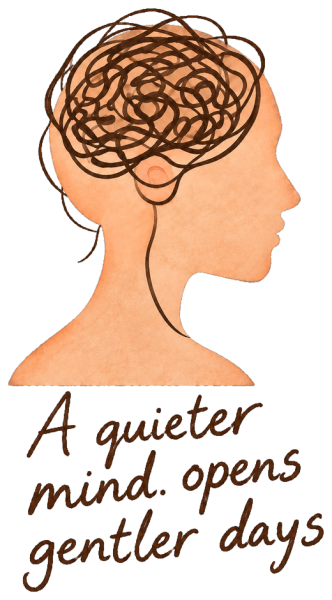
When you are emotionally overwhelmed, your available capacity becomes smaller.
More of your energy may already be going towards managing distress, concentrating and simply getting through the day. That leaves less capacity for decisions, uncertainty and ordinary responsibilities.
This is why an unanswered message, deciding what to eat or dealing with a minor inconvenience can suddenly feel impossible.
The task has not necessarily become enormous. Your remaining capacity has become smaller.
You might notice that:
NOTICE
What feels impossible right now may be a sign to slow down—not proof that you cannot cope.
Instead of asking:
“Why can’t I handle something this small?”
Try asking:
“What else am I already carrying?”
The immediate task may not be the whole reason you feel overwhelmed.
These reactions do not automatically mean that you are lazy, incapable or overreacting. They may indicate that your system is already carrying more than is visible from the outside.
What to Do When You Feel Like You Are Falling Apart
When everything feels unmanageable, the goal is not to solve your whole life. Begin by checking your immediate safety, reducing unnecessary demands and choosing only the next manageable action.
You do not need to complete every step. Start with the one that feels most relevant or possible right now.
Check Your Immediate Safety
Ask whether you are physically safe and whether you can remain safe from harming yourself or someone else. If you cannot remain safe, contact emergency or crisis support now.
Reduce Today’s Demands
Postpone anything non-essential. Cancel what can safely be cancelled, ask for practical help and choose the smallest acceptable version of each necessary task.
Attend to Basic Physical Needs
Drink some water, eat something manageable, take prescribed medication as directed and reduce noise, light or stimulation if these are adding to your distress.
Choose Only the Next Action
Do not try to plan your entire future. Decide what needs to happen next: make one call, eat something, shower, rest or ask someone to stay with you.
Tell One Safe Person
You do not need a perfect explanation. You could say: “I am overwhelmed and I am not coping as well as usual. I need some support today.”
Arrange Appropriate Support
Consider contacting your GP, psychologist or another qualified professional, particularly if the changes are persistent, worsening or interfering with your ability to function.
NEED URGENT SUPPORT?
If you may harm yourself or someone else, cannot remain safe or are experiencing an emergency, call 000 in Australia or your local emergency service.
You can also contact Lifeline on 13 11 14 or visit the Support Resources page.
A GENTLE PLACE TO BEGIN
You Only Need to Begin With the Next 24 Hours
When everything feels too much, even the idea of recovery can become another overwhelming demand.
The free 24-Hour Emotional Recovery Starter Guide helps you focus only on what may support you today—without asking you to solve everything at once.
I created this guide from the kind of support I needed when my own life felt impossible to hold together.
What Not to Demand From Yourself Right Now
When you are emotionally overwhelmed, pressure often increases because you expect yourself to function exactly as you did before your capacity changed.
For now, try releasing these four demands. They can be revisited when you feel safer, clearer and more supported.
A Complete Explanation
You do not need to understand exactly why this happened before you are allowed to reduce pressure or ask for support. Clarity can develop later.
Your Usual Productivity
Reduced capacity may mean doing less than usual. Completing only essential tasks is not laziness; it may be an appropriate response to overwhelm.
Immediate Major Decisions
Unless safety requires action, you may not need to decide the future of your relationship, career, home or identity while you are acutely overwhelmed.
Stabilise first. Decide with more capacity later.
Immediate Recovery
You do not need to become your old self by tomorrow. Recovery rarely follows a straight line, and needing more time does not mean that you are failing.
Your next step can be smaller than your final destination.
Doing less is not the same as giving up. Sometimes reducing demands is how you create enough capacity for the next safe and useful step.
When Professional Support May Help
Consider reaching out when emotional or physical changes are persistent, becoming more difficult to manage or interfering with your ability to care for yourself and participate in everyday life.
You do not need to wait until you have reached a crisis.
CONSIDER REACHING OUT IF…
You Are Finding It Harder to Cope Alone
You do not need to identify the cause before making an appointment. A qualified professional can help assess whether stress, grief, trauma, a mental-health condition, physical illness, medication or several overlapping factors may be contributing.
WHERE YOU CAN BEGIN
You Do Not Need to Find the Perfect Person First
A general practitioner can be a practical first point of contact. They can discuss your symptoms, consider possible physical contributors and help you explore suitable mental-health support.
Depending on your needs, support might also involve a psychologist, counsellor, psychiatrist, social worker or another appropriately qualified professional.
Start with a GP
For an initial assessment and available options.
Speak with a psychologist or counsellor
For structured emotional and psychological support.
Use a crisis-support service
When you need immediate short-term support or someone to talk to.
IF YOU DO NOT KNOW WHAT TO SAY
You do not need to explain everything perfectly. You can begin with:
“I have not been coping as well as usual. I feel overwhelmed, and it is beginning to affect my daily life. I would like help working out what support I may need.”
You can write this down, show it on your phone or ask someone you trust to help you make the appointment.
If your safety is at immediate risk: Call 000 in Australia or your local emergency service. Lifeline provides 24/7 crisis support by phone on 13 11 14, text on 0477 13 11 14, or online chat.
Outside Australia, contact your local emergency service or crisis-support line.
Support information: Lifeline Australia — Get Help
WHEN OVERWHELM CHANGES HOW YOU SEE YOURSELF
What If the Hardest Part Is Not Recognising Yourself?
Sometimes emotional collapse affects more than your energy, emotions or ability to complete everyday tasks.
You may also begin wondering why you react differently, why your usual confidence has disappeared or why the person you were before feels difficult to reach.
This can be especially unsettling when your identity was connected to a relationship, career, role, future plan or version of yourself that no longer feels available.
You might find yourself thinking:
Stabilisation and identity rebuilding are connected, but they are not the same task. First, reduce immediate overwhelm and create enough safety to think. Then you can begin understanding what changed and rebuilding your relationship with yourself.
STAGE 2 — UNDERSTAND
Has the Experience Changed Who You Feel You Are?
Identity disruption can leave you feeling unfamiliar to yourself after trauma, heartbreak, burnout or another major life change.
The next article explains why this can happen and how identity rebuilding differs from simply trying to become your old self again.
Continue here if you are asking:
Not ready for Stage 2? Stay with the immediate stabilisation steps in this article and return when you have more capacity.
What Comes After the First 24 Hours?
The first day is about reducing immediate pressure and getting through what is directly in front of you. But you may still need gentle structure after that first day has passed.
The Stabilisation Week was created to help you move through the next seven days without expecting yourself to solve your entire future.
STAGE 1 — STABILISE
SEVEN DAYS OF GENTLE STRUCTURE
You can continue using the free article and 24-hour guide without purchasing. This is an optional next step for readers who would like more structure.
A PAID STAGE 1 GUIDE
The Stabilisation Week
A gentle seven-day structure for when life still feels difficult to hold
Emotional collapse does not usually disappear because one difficult day has ended. You may still be exhausted, unsettled or unsure how to move through the week ahead.
The Stabilisation Week helps you continue reducing pressure, attending to your basic needs and rebuilding a small amount of steadiness—one day at a time.
Across the seven days, you will be guided to:
This may be useful if:
The immediate crisis has passed, but ordinary life still feels difficult and you want a gentle structure for the next several days.
US$19 · One-time purchase
The sequence is gentle: begin with the next manageable step, move through the first 24 hours, then use the following week to create more stability before demanding clarity about the future.
“
I was not failing at coping. I had reached the limit of coping by carrying everything in the same way.
— Sy Taylor
WHAT I WISH I HAD KNOWN
Capacity changes
Expecting your usual output does not restore your usual capacity.
Small steps still count
The next useful action may be much smaller than the solution you want.
Honesty creates a beginning
Naming that you are not coping can be the first step towards receiving appropriate support.
FROM LIVED EXPERIENCE
What I Learned From My Own Collapse
I did not create The Inner Growth Path because I had always known how to recover. I created it because there was a time when the ways I had always coped stopped working.
The Point Where Pushing Harder Stopped Working
For a long time, I responded to difficulty by becoming more capable. I kept functioning, carried what needed to be carried and tried to push through whatever I was feeling.
That approach had helped me survive difficult experiences before. Eventually, however, effort stopped creating progress. Ordinary tasks required more energy, my usual certainty disappeared and I could no longer force myself back into the person I had been.
At first, I treated this as another problem to overcome. I believed that if I tried harder, became more disciplined or found the right answer, I would return to normal.
What began to change things was not another demand. It was becoming honest about what I could and could not carry.
I had to stop asking, “How do I fix my whole life?” and begin asking, “What would make today slightly more manageable?”
That did not resolve everything. It gave me somewhere to begin.
That morning became the beginning of something. Not healing. Honesty. And honesty changed everything.
What I did not realise at the time was that these small, practical decisions would eventually become part of the process behind The Stabilisation Week and The Inner Growth Path.
Questions About Emotional Collapse
Emotional collapse can be difficult to describe because it does not look or feel the same for everyone. These answers clarify some of the most common questions.
Still unsure where to begin? Return to the practical steps above or start with the free 24-hour guide.
CONTINUE YOUR PATH
Further Reading
Choose the article that most closely matches what you are experiencing now.
TRAUMA & NERVOUS SYSTEM
What Survival Mode Really Is
Understand why your body and mind may remain alert, tense or unable to relax even when immediate danger has passed.
EMOTIONAL CAPACITY
Emotional Exhaustion After Trauma
Explore why prolonged stress or trauma can leave you feeling emotionally numb, disconnected and deeply drained.
STAGE 2 — UNDERSTAND
Identity Loss After Trauma
If the hardest part is no longer recognising yourself, learn why identity can feel disrupted and how rebuilding begins.
Not sure which article fits? Begin with the Identity Rebuild Path and choose the stage that reflects what you need now.