
The Silent Battle: The Struggle to Ask for Help
As a first responder, you’re trained to be tough. To wear the uniform with pride, put on the armour, and push through. But what happens when that very toughness becomes a barrier to the help you so desperately need?
The stigma surrounding vulnerability runs deep in the first responder community, making it hard to admit when things aren’t okay. It can feel like asking for help is a sign of weakness. But the reality is, seeking support is a courageous act of bravery, not a failure.
“The hardest part of the journey is asking for help. The second hardest part is accepting it.”
The Pressure of “Toughness”
I remember the early signs—the anxiety, the stress, the irritability—and I pushed them aside. I thought it was just the job, the pressure, the long shifts. But when I was in a car accident outside of work, it all came flooding back. The trauma I’d experienced on the job came up in a way I couldn’t ignore. As soon as the crash happened, my body went into shock, and all those memories of past incidents—car accidents, traumatic scenes—came rushing to the surface.
In that moment, it felt like the trauma had been suppressed for too long and, now, it was seeping through. After the incident, I buried it again and tried to return to normal. I kept telling myself, “I’m fine, others have it worse than me.” But deep down, I knew something wasn’t right. I was a walking contradiction—on the outside, everything looked great. People looked up to me, admired my strength. But internally, I was crumbling.
The Fear of Admitting Struggle
I remember an incident when an offender spat on me, and I went into a rage that was so out of character. That was the wake-up call. I realized that something was wrong. I booked in for my first session with a psychologist, hoping for support, but at the time, I was told that my reactions were just “normal” given the circumstances. The truth is, I was starting to feel like my mind and body had reached their breaking point, but I couldn’t show it. I couldn’t let anyone see my cracks. Not when I had built a reputation of being the resilient one, the brave one.
It wasn’t just the job—it was the culture around me. Vulnerability wasn’t welcomed. Colleagues joked about trauma, but when someone openly struggled, it became gossip fodder. That’s when I realized the extent to which asking for help was seen as a weakness.
The Turning Point: When Enough is Enough
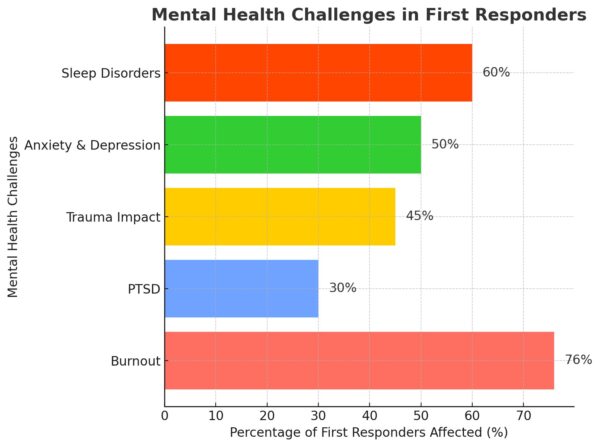
It wasn’t until everything spilled over into my personal life that I could no longer ignore the truth. I couldn’t leave the house some days. I was functioning on adrenaline and stress, and it was no longer sustainable. I reached a breaking point, and for the first time, I asked for help.
Looking back, I wish I could speak to my past self. I would tell them, “You don’t need to wear this mask. It’s okay to need support.” The truth is, as first responders, we’re not immune to the pressures of life. We’re human, and it’s time we start treating ourselves like we are.
Breaking the Silence: Seeking Support
There’s a pervasive culture in first responder professions that equates strength with silence. We wear the uniform as armour, and in doing so, we hide our vulnerability. But it’s important to realize that there’s no shame in reaching out. It’s not about being weak—it’s about being brave enough to admit when you need help.
In my case, the absence of support was crushing. I felt isolated. It wasn’t just a lack of emotional support—it was a lack of understanding. The system didn’t provide the help I needed, and it took years for me to truly acknowledge that.
It’s Time to Shift the Narrative
As I look back at my career, I think about the senior officers who had been in the job for decades. Some of them were visibly broken, suppressed, and burnt out. And I realized, I didn’t want to become like that. My identity as a police officer didn’t define me. The uniform doesn’t make you who you are.
It’s never too late to ask for help. It’s never too late to change directions in life or career. We, as first responders, have an expiration date. But it doesn’t mean we have to push ourselves beyond our breaking point.
Conclusion: Embracing Vulnerability
If you’re a first responder reading this, know that you’re not alone. It’s okay to seek help when you need it. Your identity is not solely defined by your uniform. Remember: it’s the brave ones who ask for support, not the ones who keep suffering in silence.
Breaking the Silence: Why Silence About Mental Health in the First Responder Community Is So Ingrained and How It’s Changing
In the first responder community, silence around mental health issues has been ingrained for decades. The nature of the job requires individuals to remain calm under extreme pressure, often shielding emotions and putting personal well-being aside in service of others. This culture of emotional stoicism is not just a personal choice but often an unspoken expectation within the community.
For many first responders, the fear of being perceived as weak or incapable can prevent them from speaking out about their struggles. There’s a fear that acknowledging mental health challenges could damage their reputation or career, making them seem less competent or resilient. This is particularly true in environments where toughness is celebrated, and vulnerability is seen as a flaw rather than a strength.
But times are changing. The stigma surrounding mental health in first responders is slowly being challenged. More organizations are recognizing the importance of addressing the mental well-being of their employees and are putting programs in place to encourage seeking support. The visibility of mental health advocates within the community, as well as a growing number of peers openly discussing their struggles, is helping to shift the narrative.
The change is gradual, but as more voices are heard and more people come forward with their own experiences, the culture is evolving. The message is clear: asking for help is a sign of strength, not weakness. It’s not just about surviving the job—it’s about thriving, emotionally and mentally.
Realizing You Need Help: The Signs of Stress, Burnout, and Trauma That Often Go Unnoticed Until It’s Too Late
The signs of stress, burnout, and trauma are often subtle, creeping up slowly over time. In the high-stress world of first responders, these signs can easily be overlooked, dismissed as normal by both the individual and those around them. However, ignoring these warning signs can be dangerous and lead to deeper mental health issues down the road.
Common symptoms of stress and burnout include:
- Physical exhaustion that doesn’t go away even after rest, with lingering fatigue affecting everyday tasks.
- Increased irritability or a short temper, especially when dealing with family or colleagues.
- Difficulty sleeping or disturbances in sleep patterns, which are common in high-stress jobs.
- Loss of empathy or emotional numbness, where an individual may start to feel disconnected from others or disengaged from the emotional needs of people they serve.
- Negative thought patterns such as excessive self-criticism or believing that the situation is hopeless.
- Hypervigilance or constantly feeling on edge, even in low-risk environments.
Traumatic experiences can also have delayed effects, surfacing long after the initial event. First responders who witness death, violence, or severe injury may not recognize how these events are affecting their mental health until it manifests in more noticeable symptoms like anxiety, flashbacks, or even physical symptoms such as muscle tension or headaches.
The first step to addressing these symptoms is recognizing them for what they are—not just “bad days” or the result of a demanding job, but potential indicators of deeper emotional or psychological strain. Realizing that you’re not “just tired” but might be experiencing burnout or post-traumatic stress can be life-changing. Understanding that these responses are normal reactions to extreme stress can help break the silence around them.
How to Take That First Step: Practical Advice on How to Start the Journey of Asking for Help
Taking the first step toward seeking help can be incredibly daunting, especially for first responders who have been conditioned to push through pain and discomfort. But the journey to healing begins with one small step, and acknowledging the need for support is the first act of bravery.
Here are some practical ways to take that first step:
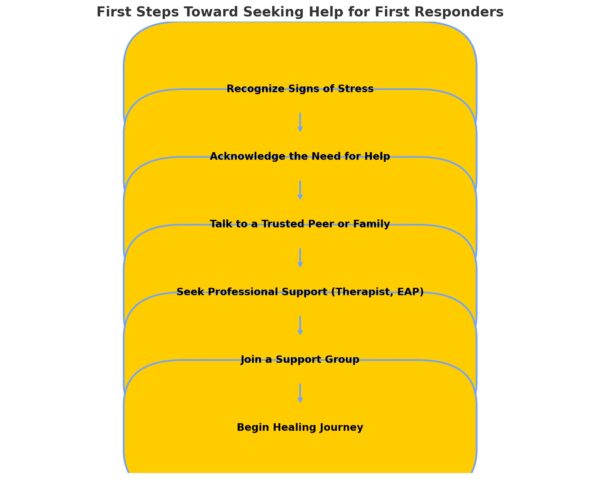
- Recognize the Signs: The first step is acknowledging that you’re struggling. This might involve reflecting on your feelings, behaviors, and health. If you notice patterns of stress, anger, or anxiety that don’t seem to go away, it might be time to seek support. Start by checking in with yourself regularly—ask yourself how you’re truly feeling, rather than brushing it off.
- Reach Out to a Trusted Peer: If you’re not ready to talk to a professional, start by confiding in a trusted colleague, friend, or family member. Speaking to someone who understands the pressures of being a first responder can help alleviate the isolation and provide a sense of solidarity.
- Find Professional Support: Therapy is a powerful tool for emotional healing, and it’s essential to find a mental health professional who specializes in trauma or the unique challenges faced by first responders. Start by looking into local mental health services tailored for first responders or consider finding a therapist who has experience with PTSD, burnout, or anxiety.
- Use Employee Assistance Programs (EAP): Many departments offer EAP services that provide confidential counseling and support for employees. If you’re unsure where to start, this could be a confidential and low-pressure way to begin your journey.
- Join a Support Group: Sometimes, hearing from others who have been through similar struggles can help. Support groups for first responders offer a safe, non-judgmental environment where you can share experiences and learn coping strategies from those who have walked the same path.
- Start Small: The thought of seeking help may feel overwhelming, but it doesn’t have to be a big leap. Start with small steps—attend one therapy session, talk to a friend, or set aside time each day for self-care. Every small step counts.
- Give Yourself Compassion: Be kind to yourself. Acknowledging that you need help isn’t a sign of failure. It’s an act of self-respect and a recognition that you deserve to be supported, just as you’ve supported others. Practice self-compassion as you take each step toward healing.