Written by Sy — Founder of The Inner Growth Path
I write about what happens after emotional collapse — when your identity, your nervous system, and your sense of self no longer feel stable. My work combines lived experience, trauma-informed understanding, and practical tools to help you make sense of what you’re feeling — and rebuild from it.
Stage 2: Understand | The Inner Growth Path
Feeling emotionally exhausted or disconnected from yourself? Download the Free Emotional Recovery Starter Guide.
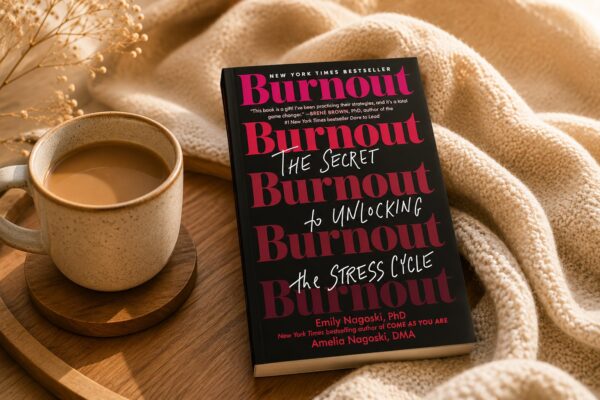
Also read: How Burnout Can Make You Feel Like a Different Person (And What to Do About It)
What is PTSD Physical Pain?
PTSD physical pain refers to the way unresolved trauma and chronic nervous system activation can show up in the body as:
- Muscle tension
- Chronic pain (neck, back, jaw)
- Headaches
- Fatigue
- Digestive issues
- Body tightness or “bracing”
- Inflammation and low recovery capacity
This happens because the nervous system does not separate emotional trauma from physical experience.
Instead, it stores survival responses in the body.
If this is you, start here → Download the Emotional Recovery Starter Guide.
Related reading:
A Complete Guide to Nervous System Regulation
Why PTSD Causes Physical Pain
1. The nervous system stays in survival mode
After trauma or prolonged stress, the nervous system can remain stuck in:
- Fight
- Flight
- Freeze
- Hypervigilance
This creates constant physical activation in the body.
2. Muscles stay “on guard”
Common signs of PTSD physical symptoms include:
- Jaw clenching
- Shoulder tension
- Neck tightness
- Lower back pain
- Headaches
The body is literally preparing for danger — even when life is safe.
3. Chronic stress affects recovery systems
When the nervous system is overloaded:
- Sleep quality drops
- Muscle recovery slows
- Inflammation increases
- Pain sensitivity increases
4. Trauma impacts nutrition and energy systems
One of the most overlooked parts of PTSD physical pain is nutrient depletion.
If you’re noticing physical symptoms of stress or PTSD, start here:
👉 Emotional Recovery Starter Guide (Free)
Learn what your nervous system is doing and how to stabilise it.
My Personal Experience With PTSD Physical Pain
After a car accident, I developed a neck disc bulge.
At first, it was manageable — pain, stiffness, reduced movement.
But it didn’t improve.
It became chronic.
Then another disc bulge appeared below it.
And what confused me most wasn’t just the injury…
It was how my entire system changed.
Not just my neck.
My whole body felt different.
- My energy dropped
- My tolerance decreased
- My recovery slowed
- My muscles constantly tightened
It felt like my body was stuck in a state I couldn’t switch off.
Jaw tension, headaches, and chronic muscle tightness
One of the most noticeable parts of my PTSD physical pain was jaw tension.
I would wake up clenching my jaw without realising it.
My shoulders stayed elevated.
My neck felt locked.
Headaches became more frequent.
And I remember thinking:
“Why does my body feel like it’s bracing for something that isn’t happening?”
This is the nervous system in survival mode.
Self-care quietly collapses
One of the most misunderstood effects of PTSD is how quietly self-care drops off.
For me:
- Nutrition slipped
- Routine disappeared
- Recovery habits stopped
- Strength and muscle mass reduced
Not because I didn’t know what to do.
But because my system didn’t have the capacity.

Blood tests confirmed what I felt
Eventually, full blood work showed significant nutrient depletion.
My doctor explained this is common in people with:
- PTSD
- Chronic stress
- Burnout
At one point, I was told my cellular energy markers were so low they were barely measurable.
That moment changed how I understood my body.
This wasn’t just emotional stress.
It was physiological depletion.
What most advice gets wrong
Most people try to treat PTSD as purely psychological.
But PTSD physical pain shows something different:
The body is deeply involved.
If the nervous system is still in survival mode, you will feel it:
- In your neck
- In your jaw
- In your digestion
- In your energy
- In your pain levels
If you feel stuck in this cycle, I created something to help you break it.
→ Download the Emotional Recovery Starter Guide.
You might also like:
- Why You Feel Emotional Numbness After Trauma (And What Your Nervous System Is Trying to Do)
- What Survival Mode Really Is (And Why You Can’t Relax Even When You Try)
What Actually Helps PTSD Physical Pain
1. Nervous system regulation (first priority)
Breathing, grounding, and slowing internal threat responses.
2. Rebuilding physical stability
- Gentle movement
- Walking
- Slow strength rebuilding
- Mobility work
3. Nutritional restoration
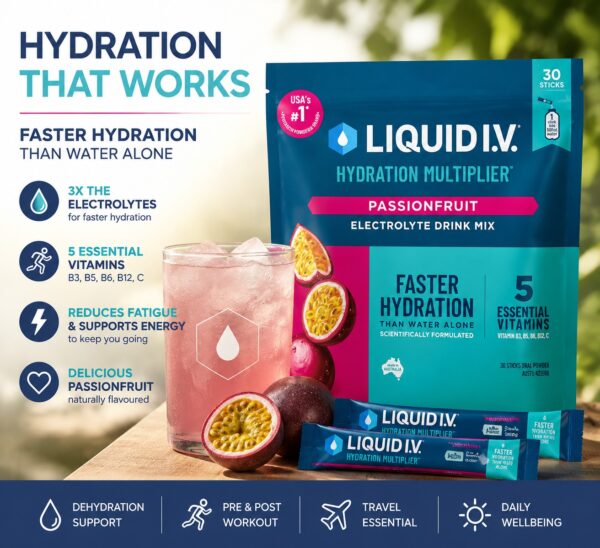
- Electrolytes
- Micronutrient support
- Medical guidance when needed
4. Reducing internal load
- Less stimulants
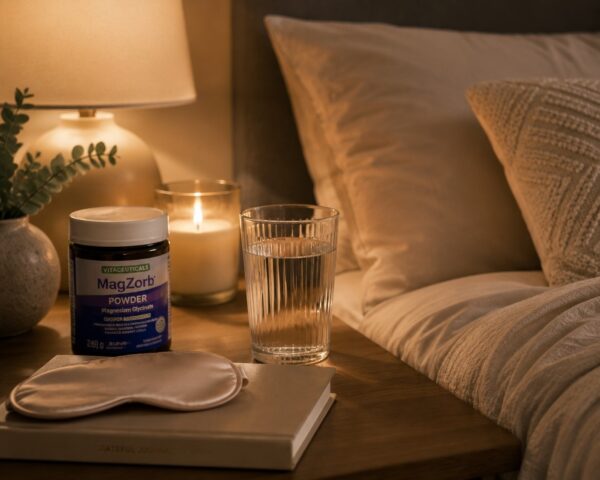
- Better sleep structure
- Lower stress input
5. Rebuilding safety in the body
The goal is not pushing harder.
The goal is signalling:
“You are safe now.”
If you feel stuck in this cycle of PTSD physical pain and burnout, I created something to help you understand your system:
👉 7 Day Reset Guide
(Start stabilising your body before trying to “fix” everything else)
Deeper Insights:
What I learned personally is this:
My body wasn’t broken.
It was adapted for survival.
And it stayed there longer than it needed to.
Most people try to “push through” PTSD physical symptoms.
But you can’t outwork a nervous system that believes it’s still in danger.
The shift begins when you stop fighting your body…
and start understanding it.
FAQs about PTSD physical pain
Why does PTSD cause physical pain?
PTSD keeps the nervous system in survival mode, which creates muscle tension, inflammation, and chronic stress responses in the body.
Can trauma really cause chronic pain?
Yes. Trauma can affect the nervous system, which regulates pain, tension, and recovery processes.
What are physical symptoms of PTSD?
Common symptoms include muscle tension, jaw clenching, headaches, fatigue, digestive issues, and body pain.
Why does anxiety cause body pain?
Anxiety activates the fight-or-flight system, which keeps muscles tight and increases pain sensitivity.
Can PTSD affect digestion?
Yes. Chronic stress impacts gut function and can cause bloating, discomfort, or digestive irregularity.

Ready To Rebuild Yourself?
If you’re wondering who you are after burnout, trauma or emotional collapse, you don’t have to figure it out alone.
If you’re ready to rebuild yourself—not just understand this—start here.
→ Download the Emotional Recovery Starter Guide
→ Explore the Identity Rebuild System
Because healing isn’t about becoming who you were before.
It’s about becoming someone who no longer has to abandon themselves to survive.
“If your body is speaking loudly right now, start with support that meets you where you are — not where you think you ‘should’ be.”
🌿 Tools I’ve Personally Found Helpful for Chronic Pain & Nervous System Recovery
After experiencing chronic pain, burnout, and nervous system dysregulation, I started slowly building a small set of tools that helped me feel more supported in my body again. These aren’t cures — just gentle supports that helped me during recovery.
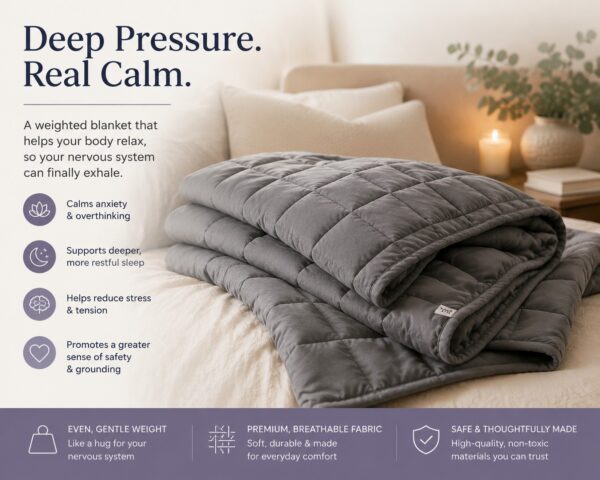
Weighted Blanket (Sleep Regulation)
Helps support deep rest, grounding, and nervous system calm when your body feels tense or overactive.
View Weighted Blanket →Weighted Sleep Mask (250g Beads)
Gentle pressure over the eyes can help reduce sensory overload and support deeper sleep.
View Sleep Mask →Shakti Acupressure Mat Set
Supports muscle release, tension relief, and nervous system downregulation after long stress cycles.
View Acupressure Mat →UTK Infrared Heating Pad
Deep heat support for neck, shoulders, and back tension — especially helpful for chronic pain patterns.
View Heating Pad →TENS Pain Relief Machine
Used for muscle pain and nerve tension relief. Often used in physio-style recovery support.
View TENS Machine →Neck Stretcher for Pain Relief
Supports gentle cervical decompression and relief for neck tension and disc pressure.
View Neck Stretcher →Dreamegg White Noise Machine
Helps reduce environmental stimulation and supports deeper, more consistent sleep.
View White Noise Machine →Note: These are personal tools I’ve used during my own recovery journey. They are not medical treatments, but supportive tools that may help some people manage stress, tension, and sleep challenges.