
LEARN · TRAUMA & NERVOUS SYSTEM
Trauma and the Nervous System: Where to Begin
Trauma, prolonged stress and emotional collapse can affect far more than how you feel. You may be unable to relax, constantly alert, emotionally numb, unusually exhausted, physically tense or disconnected from the person you used to be.
This page will help you understand what you may be noticing, choose an appropriate starting point and find practical support without expecting you to read everything at once.
These resources provide trauma-informed education and reflection. They cannot diagnose the cause of your symptoms or replace individual medical or psychological care.
BEGIN WITH SUPPORT
If Everything Feels Like Too Much Right Now
If reading, decision-making or ordinary daily tasks already feel difficult, you do not need to begin by analysing your nervous system. Start by reducing immediate pressure and choosing one manageable form of support.
I Need Help Settling My System
Visit Stage 1 — Stabilise for grounding, regulation and manageable first steps.
I Need a Plan for the Next 24 Hours
Download the free guide for a gentle structure when everything feels unmanageable.
I Need Additional Support
Find crisis, mental-health and specialist support services.
START HERE
Understand What Your System May Be Doing
If you are new to nervous-system and trauma education, read these three guides in order. Together, they explain why protective states develop, how to recognise when your coping capacity has become overwhelmed and what regulation means in practice.
Read one, then stop if you need to. Each takes about 10–20 minutes.
FOUNDATION 1
What Survival Mode Really Is
Understand why your body can remain alert, tense or unable to settle even when the immediate danger has passed.
FOUNDATION 2
Emotional Collapse: Signs Your System Is Overwhelmed and What to Do First
Recognise what reduced capacity can look like and identify what deserves attention before you attempt major decisions or deeper emotional work.
FOUNDATION 3
Nervous System Regulation After Trauma: Where to Begin
Learn what regulation actually means, why forcing yourself to calm down can be unhelpful and how to begin with a tolerable first step.
EXPLORE BY EXPERIENCE
What Are You Noticing?
Choose the experience that feels closest to what is happening now. You may recognise yourself in more than one.
I Cannot Relax or Switch Off
You may feel constantly alert, restless, irritable or prepared for something to go wrong—even when nothing immediate is happening.
RECOGNISE NERVOUS SYSTEM DYSREGULATION →
I Feel Numb, Drained or Shut Down
Your system may reduce emotional access, energy or connection when sustained demands have exceeded your available capacity.
UNDERSTAND EMOTIONAL NUMBNESS →
I Feel Foggy, Forgetful or Physically Unwell
Trauma and prolonged stress can coexist with concentration difficulties, pain and other physical symptoms. These experiences still deserve appropriate medical assessment.
UNDERSTAND TRAUMA AND BRAIN FOG →
I Do Not Feel Like Myself Anymore
Trauma can alter your energy, reactions, confidence and sense of identity. Understanding those changes can reduce self-blame and help you identify what needs support.
UNDERSTAND IDENTITY LOSS AFTER TRAUMA →
TRY ONE SMALL STEP
If You Need Something Practical Right Now
Choose one manageable option. You do not need to build an entire recovery routine today.
FREE PRACTICAL GUIDE
How to Calm Your Nervous System Fast
If you feel activated, overstimulated or unable to settle, begin with one simple strategy rather than trying to build an entire recovery routine.
This guide offers ten practical options. You do not need to try all of them—choose the one that feels most manageable now.
A GENTLE SEVEN-DAY STRUCTURE
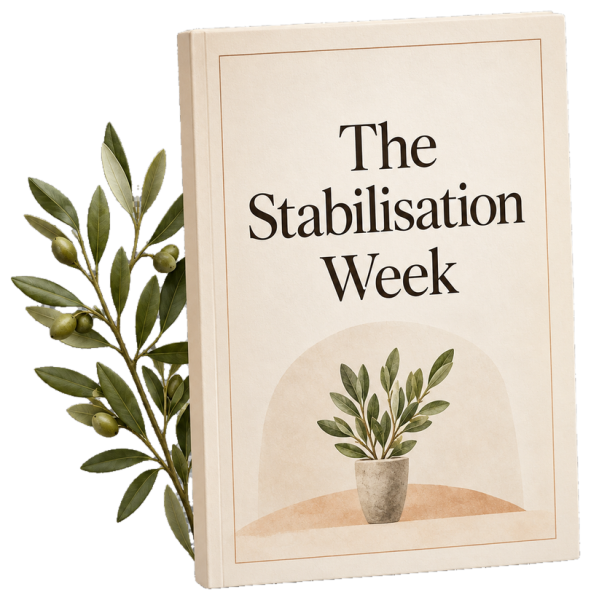
The Stabilisation Week
If you would benefit from more structure, The Stabilisation Week provides one manageable focus each day for grounding, reflection and reducing immediate emotional pressure.
Digital workbook · Instant access · Complete at your own pace · US$19
Educational and reflective support—not therapy or medical treatment.
LIVED EXPERIENCE
From Sy’s Experience
Clinical explanations can describe trauma responses, but they do not always capture what it is like to live inside them.
I write from my experience as a former first responder living with PTSD, prolonged stress and identity disruption. These personal pieces describe experiences that were difficult to recognise while I was still functioning on the outside.

LIVED EXPERIENCE
When You Look Calm but Your Body Is at War
A personal account of appearing composed while the body remains intensely activated beneath the surface.

LIVED EXPERIENCE
PTSD Symptoms in First Responders That Go Unnoticed
An exploration of trauma responses that can remain hidden behind competence, duty and the ability to keep functioning.
Lived experience can offer recognition and language, but it cannot determine the cause of another person’s symptoms or replace individual professional assessment.
CONTINUE YOUR PATH
What Do You Need Next?
Choose the option that best matches your capacity today. There is no need to move further along the path before you feel ready.
I NEED MORE STABILITY
Stage 1 — Stabilise
Begin here if you are overwhelmed, unable to settle or struggling to manage ordinary daily demands.
I HAVE CAPACITY TO REFLECT
Stage 2 — Understand
Continue here when you are ready to examine trauma responses, recurring patterns and how your experiences have affected your identity.
Looking for a particular topic?
BROWSE ALL TRAUMA & NERVOUS SYSTEM ARTICLES →
You do not need to understand every response before you begin treating your present capacity with greater care.